Tuesday

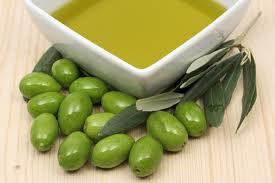
Olive oil


The human body can heal itself from tough situation and it constantly and relentlessly tries its best to stay in a good shape. The body however must get the right condition, calm environment, regular daily regime, enough sleep and healthy food.
Olive oil has come into its own as a simple way to keep your body well. Benefits of olive oil range from reducing fat intake to softening and exfoliating skin. Olive oil can also help to cleanse your body on the inside. Whether you use it as a dietary supplement, or in a mixture to fully cleanse your liver and colon, olive oil can benefit your overall health.

Instructions


1.   Colon and Liver Cleanse

  •  Fast for six to eight hours before you intend to complete the colon cleanse. It must be done on an empty stomach for best results.
  •  Mix 3 tbsp. of Epsom salt into 10 oz. of distilled water and drink one hour before beginning the full cleanse. This will prepare your body.
  •  Add 3 tbsp. of olive oil to an empty 8 oz. glass. Add 2 tbsp. of pure lemon juice, or the juice from two whole lemons. Fill the glass the rest of the way with distilled water.
  •  Drink one glass of this mixture every 15 minutes, until you have drunk 10 glasses total. This mix will cause you to urinate and defecate, while forcing any fatty buildups out of your colon and liver.

2.   Dietary supplement

  •  Ingest 1 tbsp. olive oil 15 to 30 minutes before dinner each day. Olive oil will combat the bad fats in your system and aid in the passing of waste from the colon and liver. Repeat daily as long as you continue to see results; actual duration can vary depending on your body and other health steps you are taking.
  •  Replace salad dressings or marinades with olive oil mixed with natural herbs such as mint or cilantro. This will cut down on your intake of bad fats.
  •  Replace canola oil or vegetable oil with olive oil in your cooking for a healthier alternative.

Thursday

Apple Cider Vinegar


What Is Apple Cider Vinegar?
Vinegar is a product of fermentation. This is a process in which sugars in a food are broken down by bacteria and yeast. In the first stage of fermentation, the sugars are turned into alcohol. Then, if the alcohol ferments further, you get vinegar. The word comes from the French, meaning "sour wine." While vinegar can be made from all sorts of things -- like many fruits, vegetables, and grains -- apple cider vinegar comes from pulverized apples.The main ingredient of apple cider vinegar, or any vinegar, is acetic acid. However, vinegars also have other acids, vitamins, mineral salts, and amino acids.
Apple Cider Vinegar: Cure for Everything?
Apple cider vinegar treats numerous diseases. To name a few, it's supposed to reverse aging, ease digestion, and wash toxins from the body.
They include cures for allergies (including pet, food and environmental), sinus infections, acne, high cholesterol, flu, chronic fatigue, candida, acid reflux, sore throats, contact dermatitis, arthritis, and gout. Apple Cider Vinegar also breaks down fat and is widely used to lose weight. It has also been reported that a daily dose of apple cider vinegar in water has high blood pressure under control in two weeks!

Steps for Making Cider Vinegar

The following steps must be followed to make a high-quality cider vinegar:
1) Make a clean cider from ripe apples.
2) Change all of the fruit sugar to alcohol. This is called "yeast fermentation."
3) Change all of the alcohol to acetic acid. This is called "acetic acid fermentation."
4) Clarify the acetic acid to prevent further fermentation and decomposition.

Step 1--Making Cider

Cider is made from the winter and fall varieties of apples (summer and green apples do not contain enough sugar). Fruit should be gathered, and then washed well. Crush the fruit to produce apple pulp and strain off the juice. Use a press or cheesecloth for straining.
Adding yeast to activate fermentation is not essential, but will speed up the process. Special cultivated yeasts are available for this purpose at wine-making shops and biological labs--bread yeasts are not recommended. To make a starter, crumble one cake of yeast into one quart of cider. This makes enough starters for 5 gallons of cider; double the recipe proportionately when making more.

Steps 2 and 3--Making Alcohol and Acetic Acid

Pour all of the liquid into one or more containers to about three-quarters capacity; do not close the lids on the containers. Stir the mixtures daily. Keep the containers away from direct sunlight and maintain the temperature at 16 and 26c. Full fermentation will take about 3 to 4 weeks. Near the end of this period, you should notice a vinegar-like smell. Taste samples daily until the desired strength is reached.

Step 4--Filtering

When the vinegar is fully fermented, filter the liquid through several layers of fine cheesecloth or filter paper--a coffee filter works well for this. This removes the mother of vinegar, preventing further fermentation or spoilage of the product.

Storing Your Vinegar

The vinegar is now ready for storage in separate, capped containers. Stored vinegar will stay in excellent condition almost indefinitely if it is pasteurized. To pasteurize, heat the vinegar before pouring it into sterilized bottles, or bottle, then place in a hot water bath. In both cases, the temperature of the vinegar must reach at least 60c to sterilize the product, and should not exceed 71c. Use a cooking thermometer to ensure the correct temperature is met. Cool the containers and store at room temperature out of direct sunlight.

Tuesday

Bananas


Health Tips: according to Japanese Scientific Research, full ripe banana with dark patches on yellow skin produces a substance called TNF (Tumor Necrosis Factor) which has the ability to combat abnormal cells. The more darker patches it has the higher will be its immunity enhancement quality; Hence, the riper the banana the better the anti-cancer quality.
Yellow skin banana with dark spots are more effective in enhancing the property of white blood cells than green skin bananas.
Eating 1-2 banana/s day increases immunity.


Friday

Lemon


Just ¼ c. of lemon juice provides over 50% of the daily value for vitamin C. While its properties boost your the immune system .
Lemons are high in vitamin C (116 mg) and potassium (44.5 mg) , and also contain limonene,
a compound shown to have anticancer properties. Limonene also can raise the levels of beneficial enzymes in the liver. Vitamin C also can lower histamines in the body,

Histamines  are naturally occurring chemicals that can cause red, itchy eyes and runny noses.
Also lemons can be used as a home remedy for blemishes

 How to:

apply a little lemon juice mixed with water several times a day. This can help healing plus remove the red.


When added to hot water and taken first thing in the morning on an empty stomach, lemon's

citric acid acts as a tonic for the liver as it stimulates the production of enzymes and
increases bile production, both of which ultimately aid digestion. Some studies show that
lemon may relieve constipation and even heartburn, UT infections and others
disease-causing bacteria found in the intestinal tract. The citric acid in
lemon has been used,  for its blood-cleansing properties and is even used in some
societies as an antiseptic and antidote to poison.


What does it do?

The lemon diet takes advantage of the bodys natural cleansing process (at its best in the morning), helping your body to flush out unnatural toxins we pick up in the modern lifestyle.

The lemon detox plan also enables your body to lose weight more effectively, and this fact alone has made the lemon diet plan a big name


How to:

LEMON DRINK for your Master Cleanse
you need:
* 2 tablespoons FRESH squeezed lemon 
* 2 tablespoons genuine organic maple syrup, Grade B (the darker the better)*
* 1/10 teaspoon (a small pinch!) cayenne pepper, gradually increase (the more 
   BTUs the better)
* 300 - 500 ccm (10-14 oz) pure water 

In a 300ccm (10-ounce) glass (to allow for 227ccm and mixing room): 2 tablespoons fresh (and organic, if possible) lemon (absolutely no canned or frozen juice). 2 tablespoons real (and organic, if possible) grade B or C maple syrup. (Don't use Grade A maple syrup or maple-flavored syrup. They are over-refined, which means that they are mostly refined sugars and lack essential minerals.) A small pinch of cayenne pepper (to taste). Spring or purified water, between room temperature and medium hot (but not cold) – fill to 1/4 liter (8 oz). Mix all the ingredients by thoroughly stirring or shaking, and drink. Or, in two 1 liter bottles: Juice of 3 lemons, divided equally between the two bottles (about 85ccm or 3 oz per bottle) An equal quantity of grade B or C maple syrup in each bottle (about 85 cc or 3 oz per bottle) A pinch of cayenne in each bottle Spring or purified water (fill bottles to the top) Mix all the ingredients by thoroughly shaking; then drink throughout the day. Use fresh lemons or limes only, never canned or frozen lemon juice. Use organic and vine ripened when possible. Also, mix your lemonade fresh just before drinking. Don't mix it up in the morning for the whole day. You can, however, squeeze your lemons in the morning and measure out the 2 tablespoons when needed.